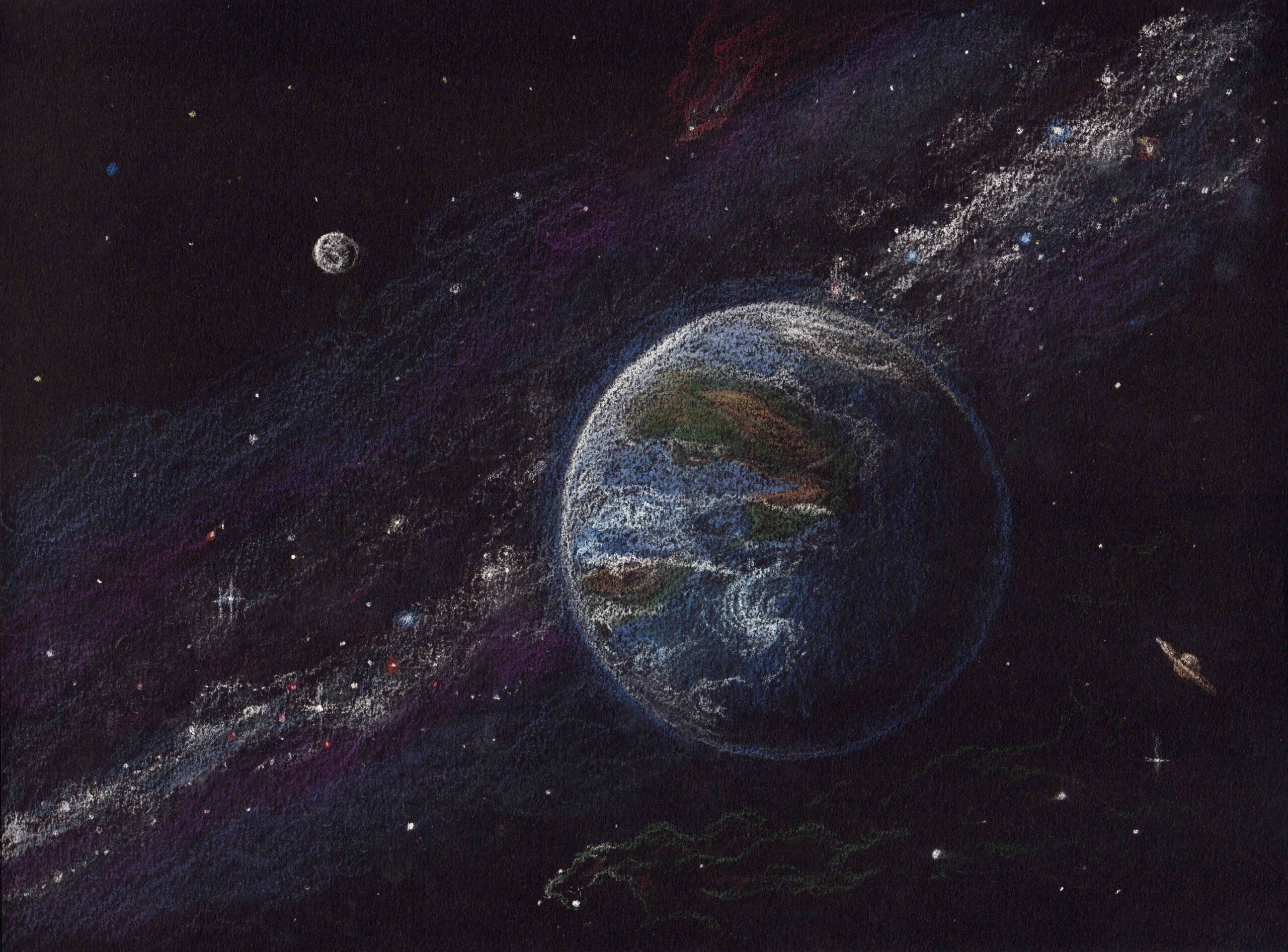
The Notion of Time in Firraksnarre
The Circle is closed, the Circle is open.
From Tiziar’s Plan
Time in Firraksnarre is measured according to the Woturian Calendar (Narwenek Woturiha), adopted in A 342 by decree of the Elder Council and designed by the Woturian mage Kinir Dzam Ikua. It is a solar calendar calibrated to the orbital period of the planet Aramordar, whose year measures approximately 361.51 days. The calendar establishes a standard year of 360 days (Narwa Nima, “small year”) divided into nine months of forty days each. Leap years (Narwa Enda, “large year”) contain five additional days distributed across the odd-numbered months. By inserting 73 leap years every 243 years, the system achieves a remarkably precise average year length of approximately 361.50 days.
Each month bears a symbolic name reflecting cosmological or seasonal significance: the Month of Beginning, the Month of Blessing, the Month of Rain, the Month of the Sun, the Month of Sound, the Month of Harvest, the Month of Stars, the Month of Trial, and the Month of Ending. Weeks consist of eight days, each named after one of the major deities, reinforcing the inseparability of civic time and sacred order.
Yet calendrical years alone do not fully define Firraksnarre’s temporal structure.
From the beginning of the Arge — the great cycles — history is divided into eight epochs, each named after one of the Eight Elements. Each cycle spans 768 years. Eight such cycles constitute a grand historical arc of 6,144 years, culminating in the dissolution of the world following the first defeat of Eg’gored at the hands of the Eight Heroes.
At the end of this final cycle, Firraksnarre perished. Human souls migrated into another world and were reborn, forming the origin of humanity in what we now call Hic Mundus. Though almost none retain conscious memory of their former existence, certain individuals — the Hominēs Connectī — are able to perceive traces of the prior world.
According to the Layered World Hypothesis, Firraksnarre and our present world are not separate realities but successive manifestations layered within an unending cycle of creation and destruction. Time in this cosmology is therefore both linear and cyclical: events unfold sequentially within a cycle, yet the world itself participates in a broader rhythm of recurrence.
The timeline below follows the Woturian reckoning and the structure of the Arge cycles, situating events within both civilizational history and the greater cosmological arc.
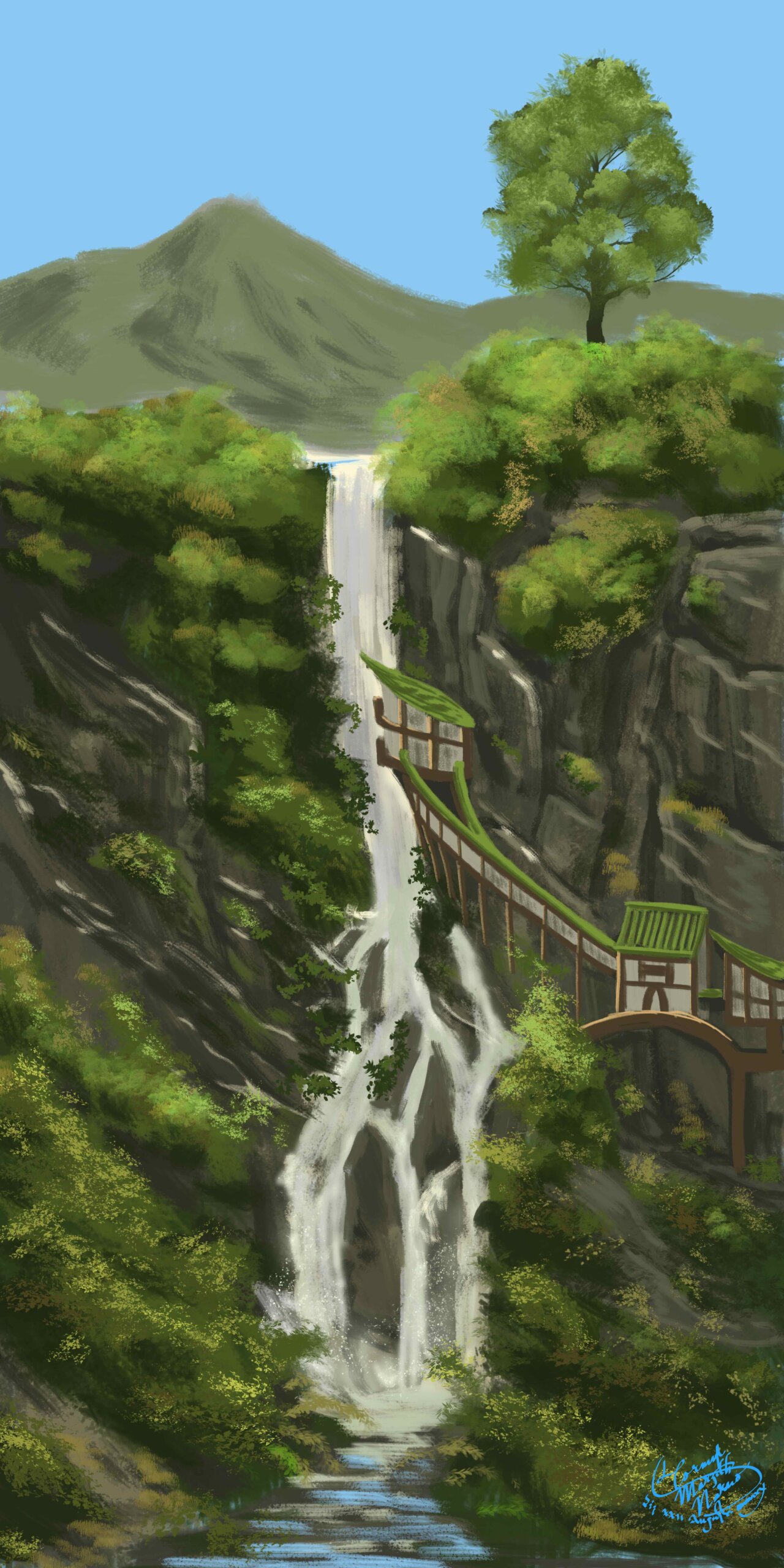
The Ages (Arge) of Firraksnarre
| Arge Amdorsta | An Orderless Age, –0 AMD |
| Arge Vocha | The Age of Iron, 1–768 AV |
| Arge Azoenna | The Age of Water, 1-768 AA |
| Arge Rhava | The Age of Flower, 1–768 AR |
| Arge Ordara | The Age of Earth, 1–768 AO |
| Arge Kerrenta | The Age of Ice, 1–768 AK |
| Arge Echnaa | The Age of Thunder, 1–768 AE |
| Arge Frhaha | The Age of Fire, 1–768 AF |
| Arge Indara | The Age of Wind, 1–768 AI |
10 AMD
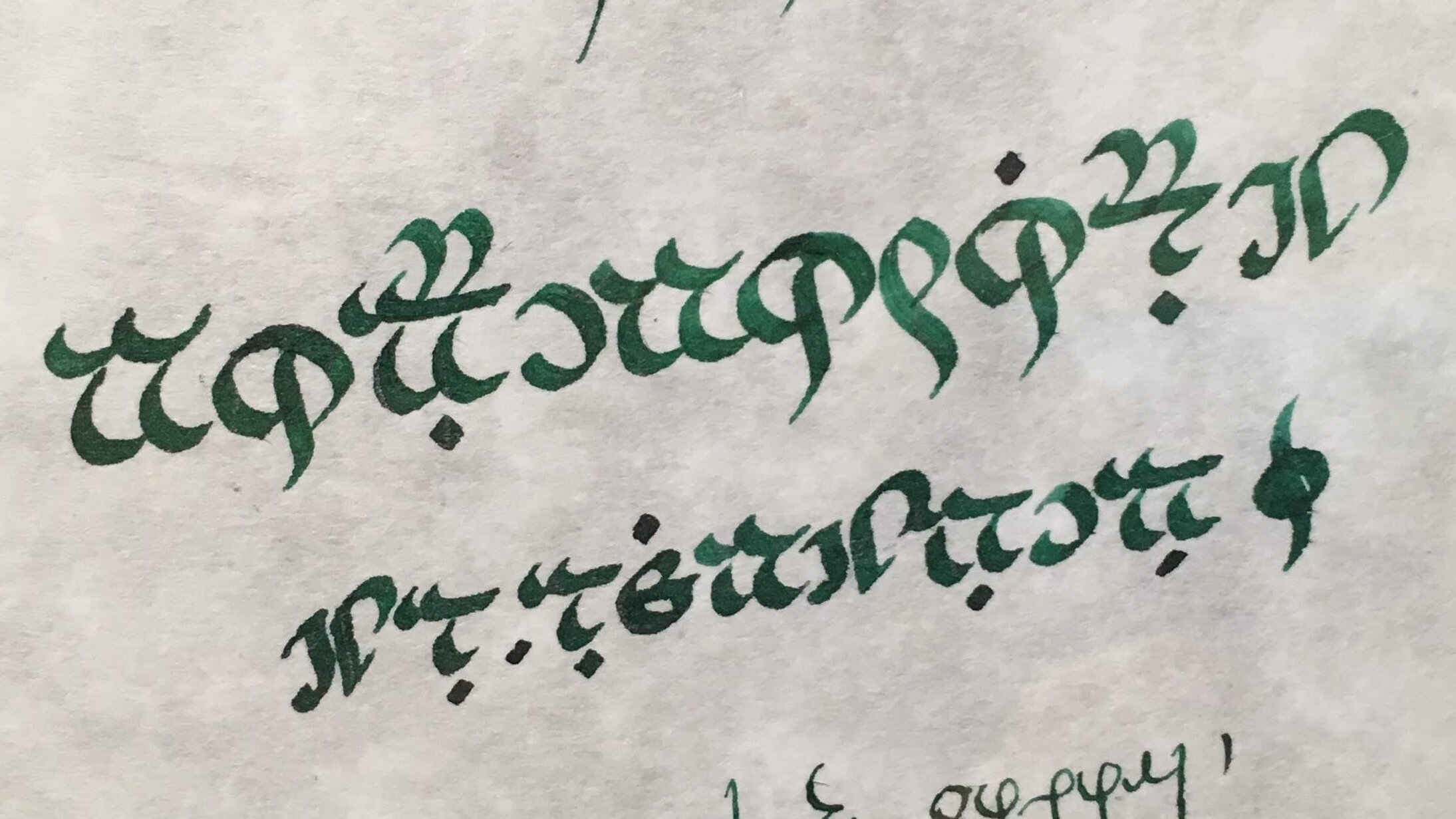
The Varokeřim Language is Created
The Sarna Aphita, with the guidance of sages, create the Elhigyeth Manipulation Language called Varokeřim
40 Sitarwene 311 AA
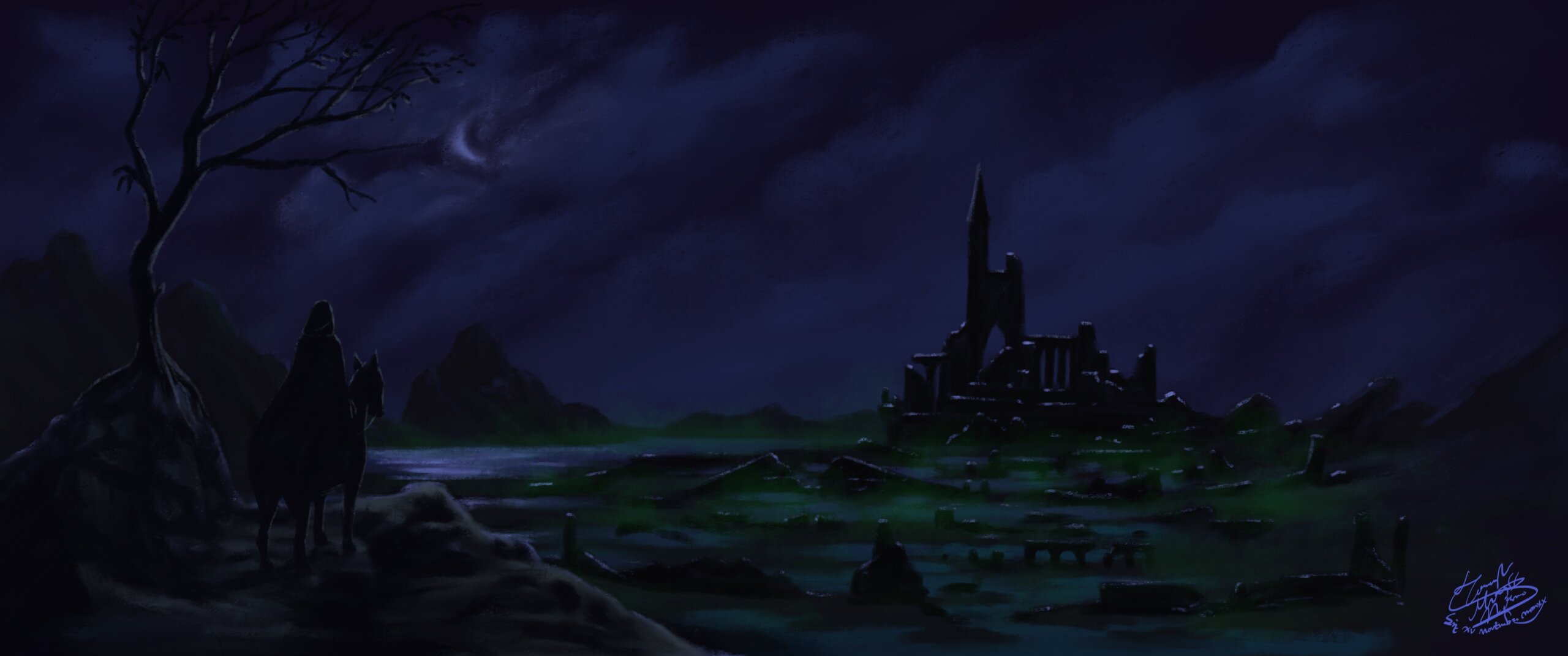
The Fall of Ganad Bizan
King durfan of Rekadian Kingdom dies under mysterious circumstances, and Ganad Bizan, capital of the Kingdom, is destroyed by numerous natural disasters. The capital, now a cursed ruin, comes to be called Nerket Bizan.
40 Urnene 768 AA
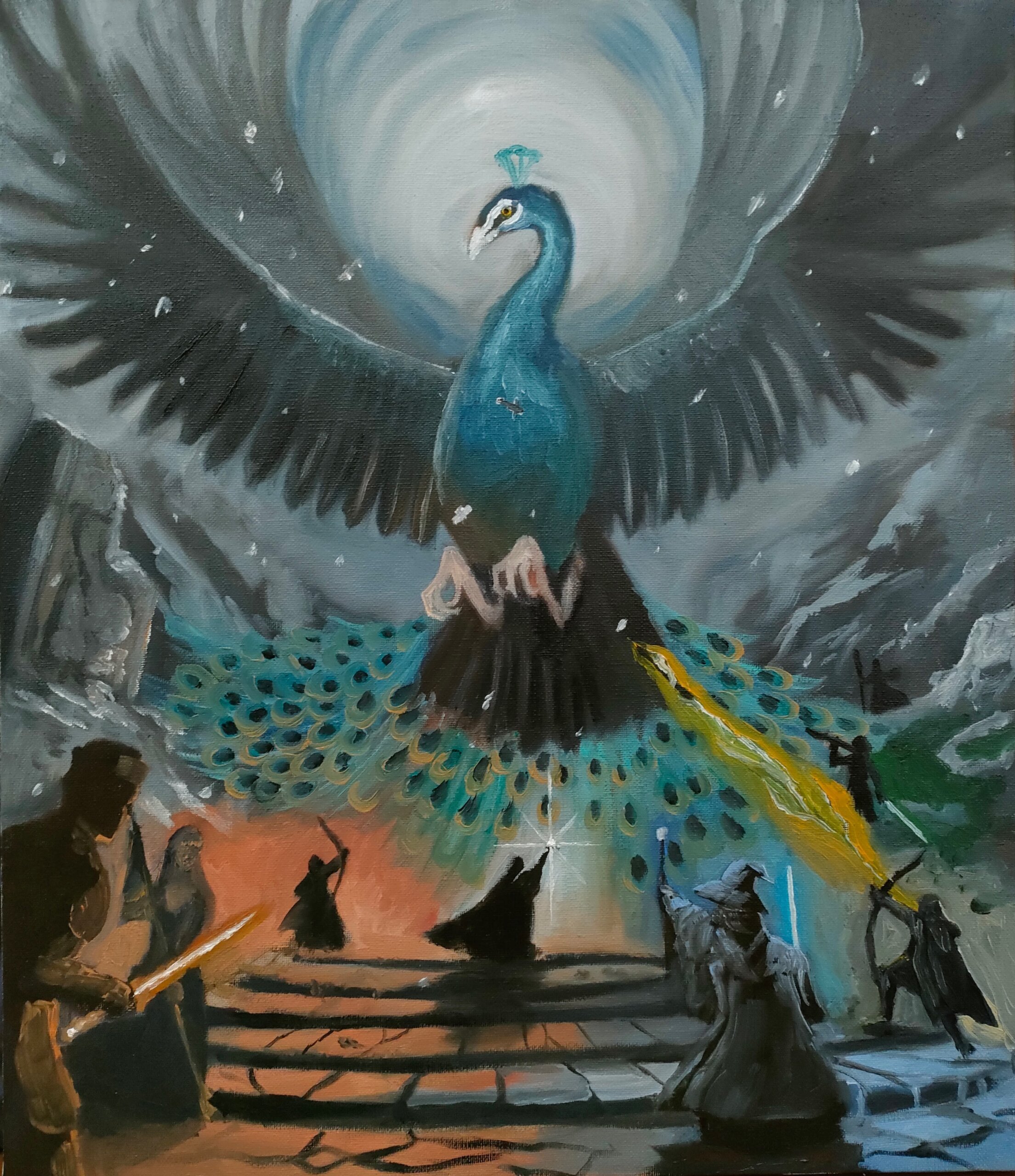
Eg’gored’s Third Defeat
The Kardiares defeat Eg’gored in the Battle of Tettanyāra. Arge Azoenna ends.